
.webp)
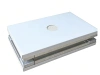
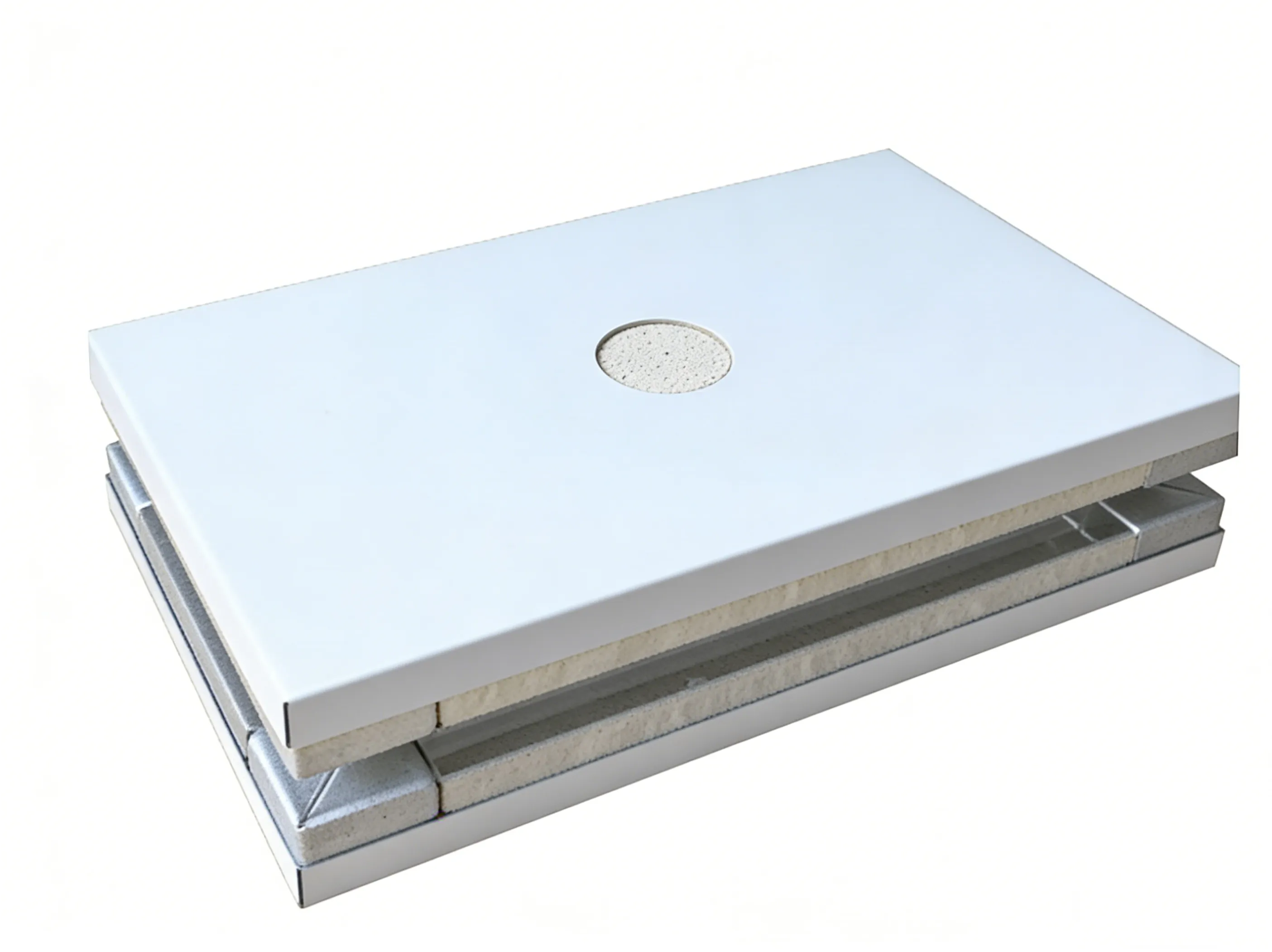
PU/EPS/PIR Insulated Cleanroom Panel
|
Core Material |
PU / EPS / PIR ( Density : 12-24kg/m3) |
|
Flexural Capacity |
1.2333KN/m2 |
|
Panel Thickness |
50 mm / 55 mm / 75 mm / 100 mm |
|
Surface Finishes |
PE / PVDF / Antistatic / Stainless Steel / HDP / PVC |
|
Joint System |
Aluminum Joint / Continuous Seam Type |
|
Panel Frame |
0.8mm Galvanized Steel |
|
Corner Reinforcement |
1.0mm Galvanized Steel |
|
Lead Time |
Approximately 15 Working Days |
Get Inquiry for Your Cleanroom Project
Talk to Our Experts

.webp?x-oss-process=image/resize,w_100/quality,q_100)

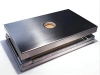
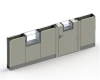
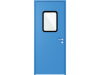

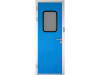
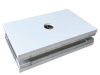
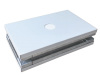
PU / PIR / EPS Insulated Cleanroom Wall Panel is specified for cold chain storage, biotech laboratories, and food processing clean environments where overall enclosure efficiency and system stability are more decisive than isolated insulation metrics, since cleanroom performance depends on the interaction of wall thickness, structural load, airtightness, joint integrity, installation efficiency, and long-term operational behavior. In practical engineering selection, PU combined with PE or HDP coatings is commonly applied in food processing cleanrooms and cold storage areas to balance insulation efficiency, cleanability, and cost control, while PU with antistatic or PVC coatings is adopted in biotech-associated precision rooms and electronic instrumentation areas to manage electrostatic risk without adding wall mass; PIR paired with PVDF or stainless steel skins is specified in biotech laboratories and pharmaceutical-grade zones where higher thermal stability, improved fire behavior compared with standard PU, and resistance to aggressive cleaning and disinfectants are essential; and EPS with PE or PVC coatings is used in auxiliary cold-chain partitions, logistics corridors, and non-critical clean areas where moderate insulation performance meets functional requirements with budget efficiency.
WHY US
-
Superior Flexural Strength
This system with 1.233kN/m² flexural capacity provides your highest weight-to-strength ratio, ensuring that even at maximum lengths of 10,000 mm, the panel maintains a rigid, zero-leak profile under high-pressure differentials.
-
Diverse Applications
PIR (Polyisocyanurate) provides aseptic zones,best for labs requiring thermal stability and 30-min fire resistance; EPS (Expanded Polystyrene) is cost-effective thermal barrier for large-scale warehouses with high moisture exposure.
-
Optional Coatings
PVDF / Stainless Steel maximizes chemical resistance against VHP and aggressive lab solvents; Anti-static dissipative surface (10⁶–10⁹ Ω/sq) to prevent ESD damage to sensitive components; PVC coating is a thick, resilient layer that resists scratching and moisture absorption better than paint; PE/ HDP is cost-effective surface protection for high-traffic industrial zones.
|
Physical Parameters |
|
|
Total Thickness |
50mm / 55mm / 75mm / 100mm |
|
Standard Size |
980mm / 1160mm / 1180mm / 1200mm / Customizable |
|
Diagonal Tolerance |
≤1mm |
|
Max. Length |
10000mm |
|
Coating |
PE / PVDF / Antistatic / Stainless Steel / HDP / PVC |
|
Sheet Thickness |
0.5mm / 0.6mm / 0.7mm / 0.8mm / 1.0mm |
|
Insulation Material |
PU/EPS/PIR (Density: 12~24 Kg/M3 ) |
|
Panel Frame |
0.8mm Galvanized Steel |
|
Corner Connection |
1.0mm Galvanized Steel |
|
Protection Film |
0.06mm ( Customizable If T>0.06mm ) |
|
Flexural Capacity |
1.233KN/M² |
|
Bonding Performance |
0.027mpa |
|
Peeling Performance |
≥ 85%—≤ 94% |
|
Heat-transfer Coefficient |
1.012W/M²·k |
|
Fire Resistance |
30 minutes |
|
Connection Type |
Aluminum Joint Type / Continuous Type |